The history of Arcinazzo Romano
Arcinazzo Romano
Where history has deep roots and people give meaning to places
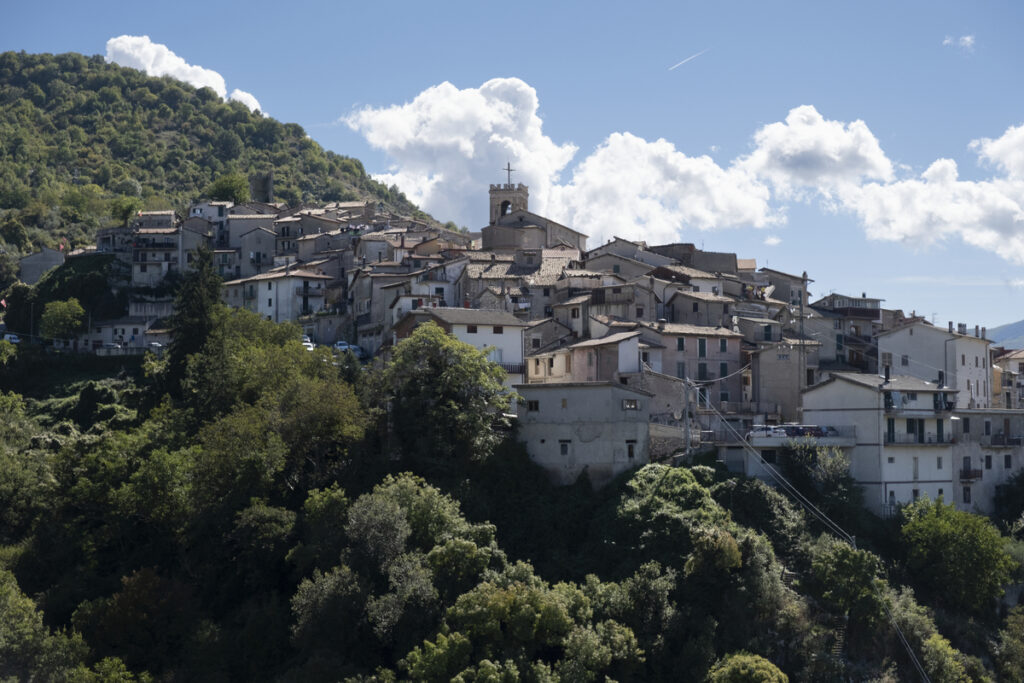
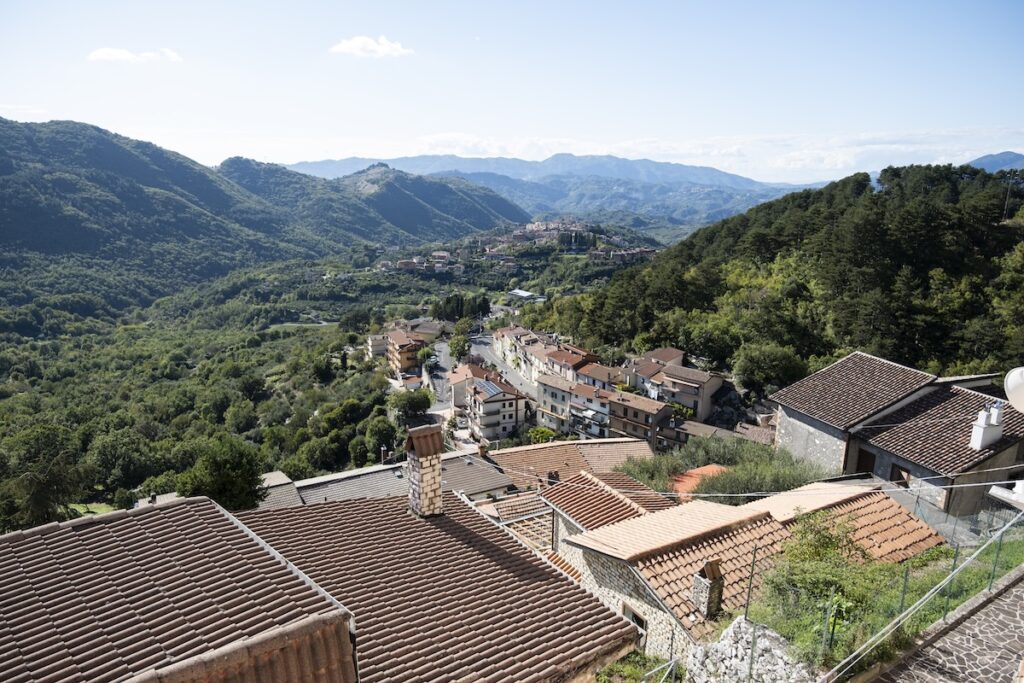
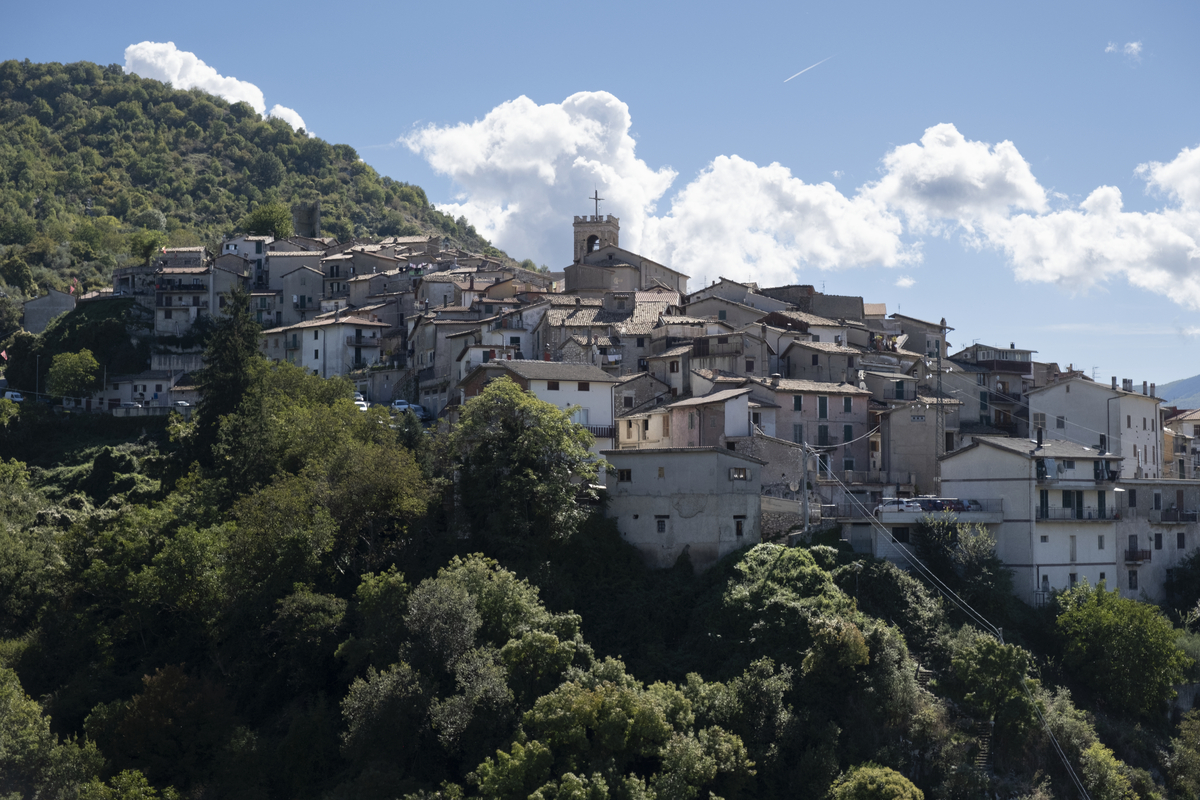
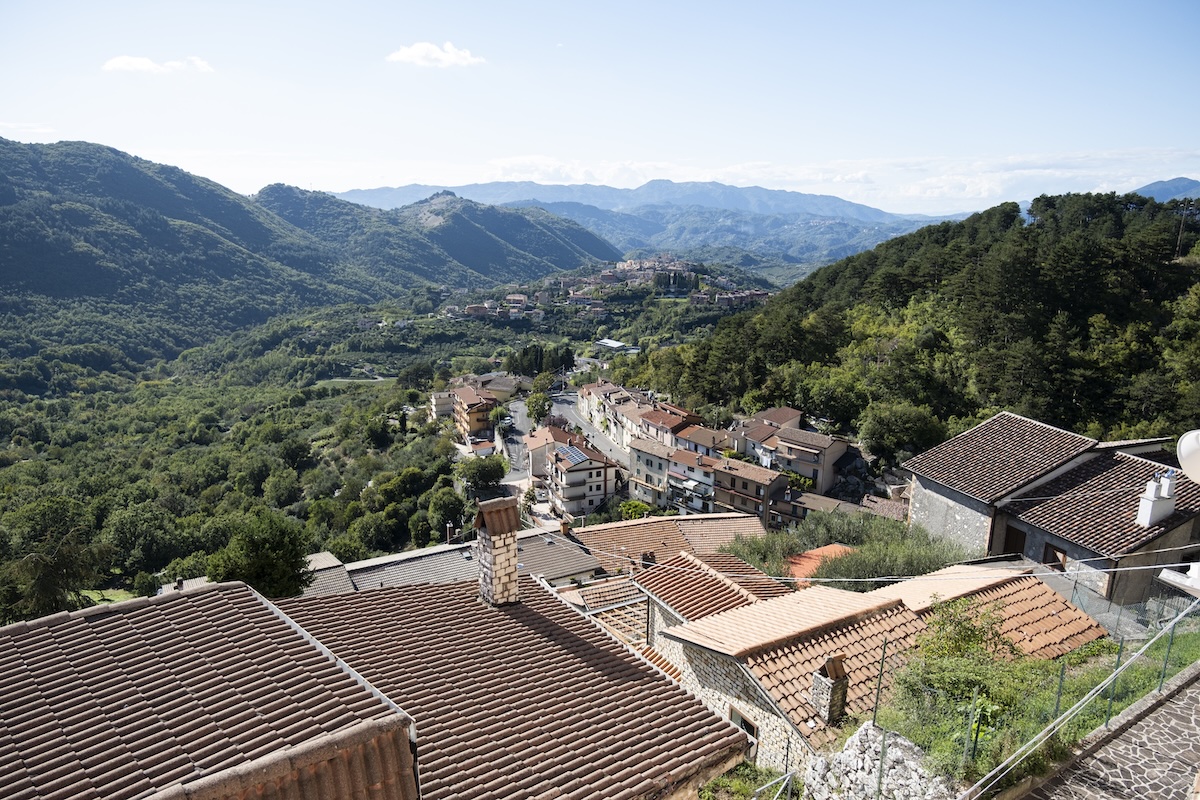
Nestled on a karst plateau at the foot of Monte Altuino, Arcinazzo Romano is a place where nature embraces history and history intertwines with the voices of its community. Here the air is thin, the Simbruini mountains open up the horizon, and the landscape changes as you ascend: from oak and holm oak forests to the vast beech woods that dominate above 800 meters, then down again towards the chestnut groves that herald the Scalambra range.
A medieval village that withstands time
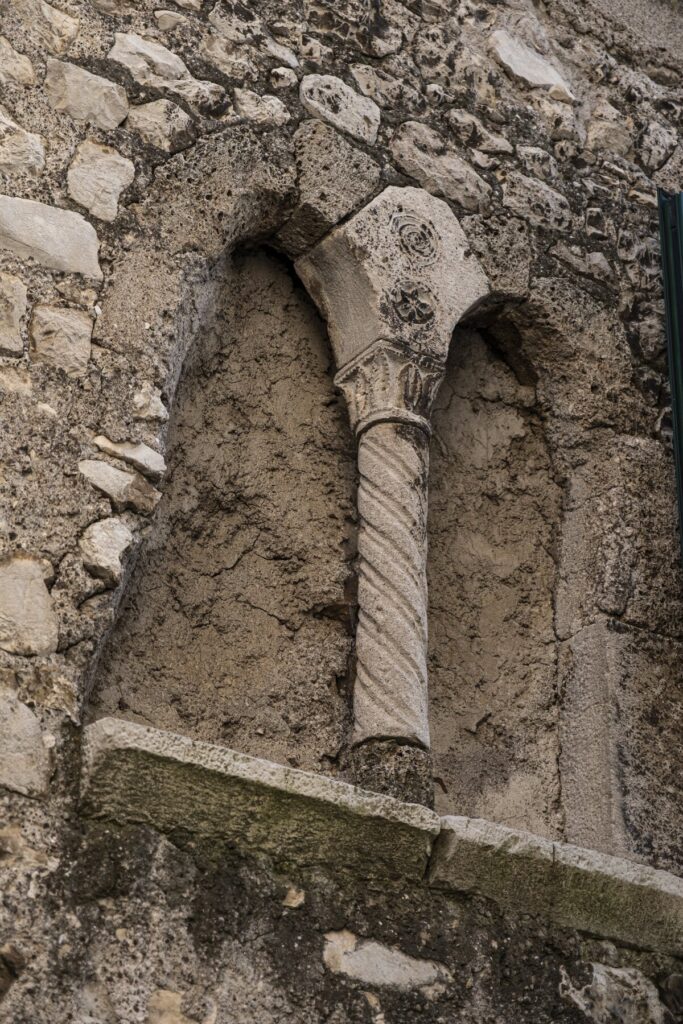
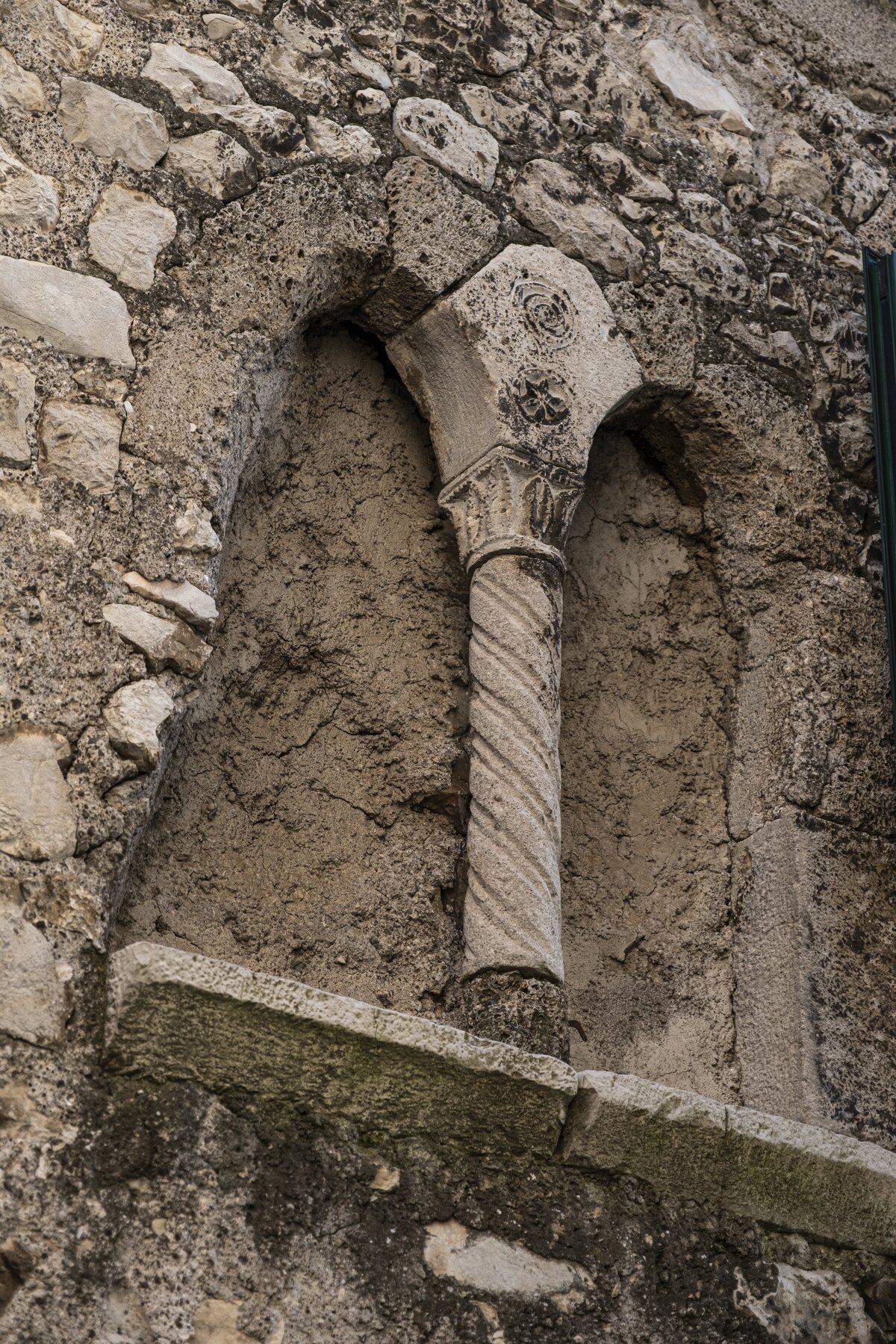
In the small medieval historic center, you walk among stone arches, mullioned windows, and ancient doors that tell centuries of life. The gates that once closed the village are still recognizable, as are the bell tower and the tower that dominates from above — silent witnesses of a village that has managed to preserve its identity.
The oldest heart is found in the square of the Church of Santa Maria Assunta. Here, the bell tower reveals what was the original nucleus of the medieval settlement, around which the first city walls developed.
Why do the inhabitants still call Arcinazzo “Ponza” and themselves “ponzesi”?
This is a detail that surprises almost all visitors. The inhabitants of Arcinazzo Romano still call themselves “ponzesi,” and the reasons are rooted in history:
- perhaps for the Gens Pontia, who owned the area during the Roman Era;
- or perhaps because of the exiles from the island of Ponza, who fled in the 11th century during Saracen raids.
What is certain is that until 1891 the village was called Ponza. When unified Italy reorganized the territory, it was decided to change the name to avoid confusion with the Pontine archipelago, thus Arcinazzo Romano was born.
Roman roots: the Villa of Trajan
Long before the medieval village, Arcinazzo Romano was a place loved by the Ancient Romans. This is evidenced by the Villa of Trajan (photo by Frigi Frigi – Own work, CC BY-SA 4.0), an imposing imperial hunting residence from the 1st–2nd century AD, located about 6 km from the town center.
Among the remains of the archaeological area, you can still feel the charm of the porticoes, gardens, and thermal baths that once hosted Emperor Trajan. Next to the ruins, the Civic Archaeological Museum preserves artifacts found during excavations and allows you to reconstruct the life of that distant world.
A vibrant territory, made of nature and people
The Altipiani di Arcinazzo stretch between the Altuino and Scalambra mountains: a landscape that changes color with the seasons and tells the simple and intense life of those who inhabit it.
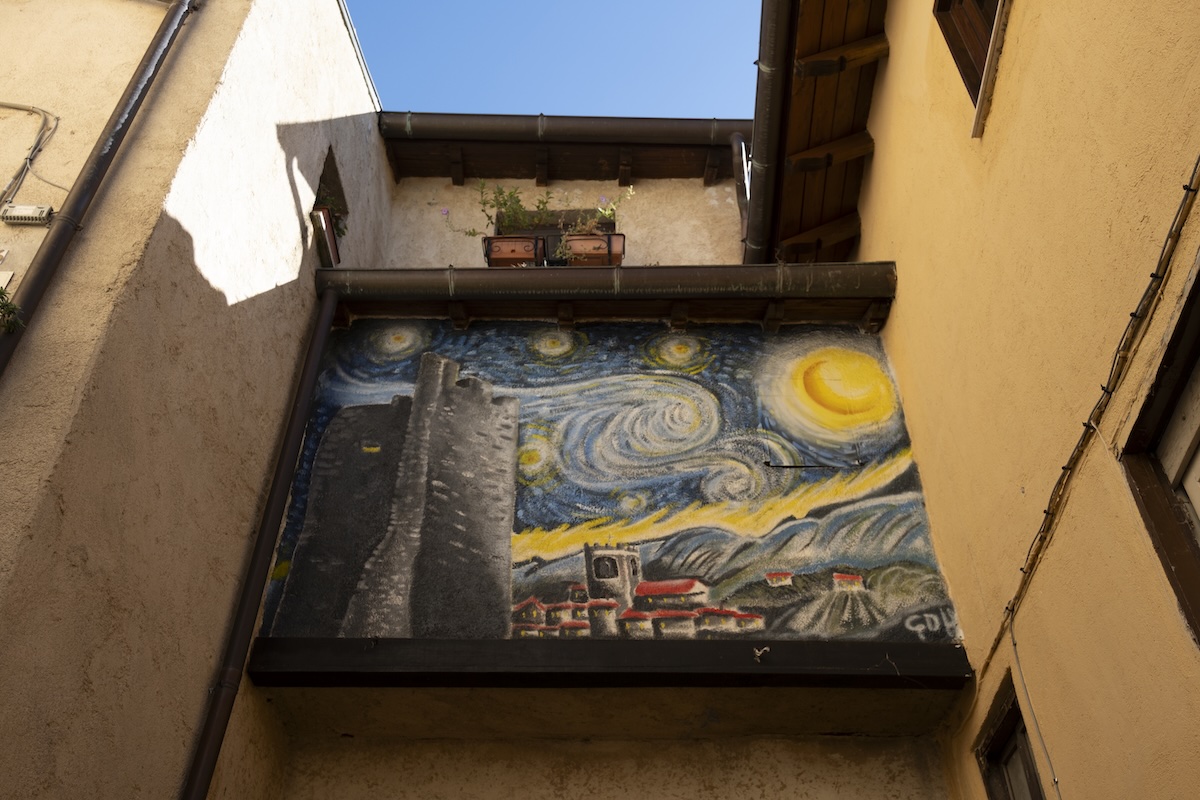
And, above all, this is a place where the community is part of the landscape. Shops, bars, artisans, shepherds, farmers, artists: each with a story to listen to and tell, and a hand ready to welcome.
And it is precisely through this intertwining of nature, history, and people that students of the RiPonza campus can experience and learn the Italian language, culture, and the beauty of community life.