Rites of fire and earth: the Chestnut as a shared identity
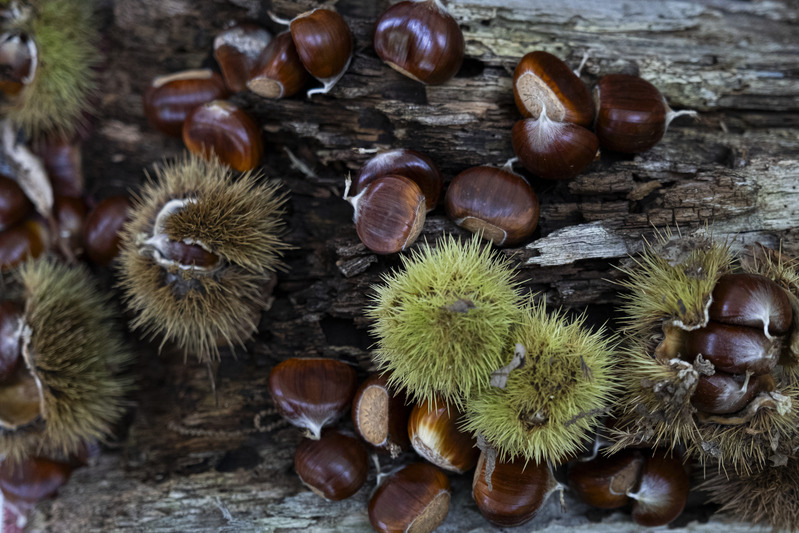
At the beginning of November, when the air turns cooler and the woods smell of damp leaves and freshly fallen chestnuts, the village gathers for the Sagra del Marrone. This festival celebrates the territory’s most precious fruit and the deep connection with the cycle of the seasons. It is a moment when the community comes together, recognizing itself in the flavors, gestures, and symbols that have always accompanied the end of the harvest.
The streets come alive with folk music, stalls of local products, shared laughter, and crackling roasted chestnuts, filling the air with familiar scents. But the most anticipated moment arrives when she appears: the Signoraccia. A large, full-figured puppet—an ancient and almost mythological creature—dances among the people to the rhythm of traditional music. You see her move, sway, and almost breathe, becoming a living and magnetic presence.
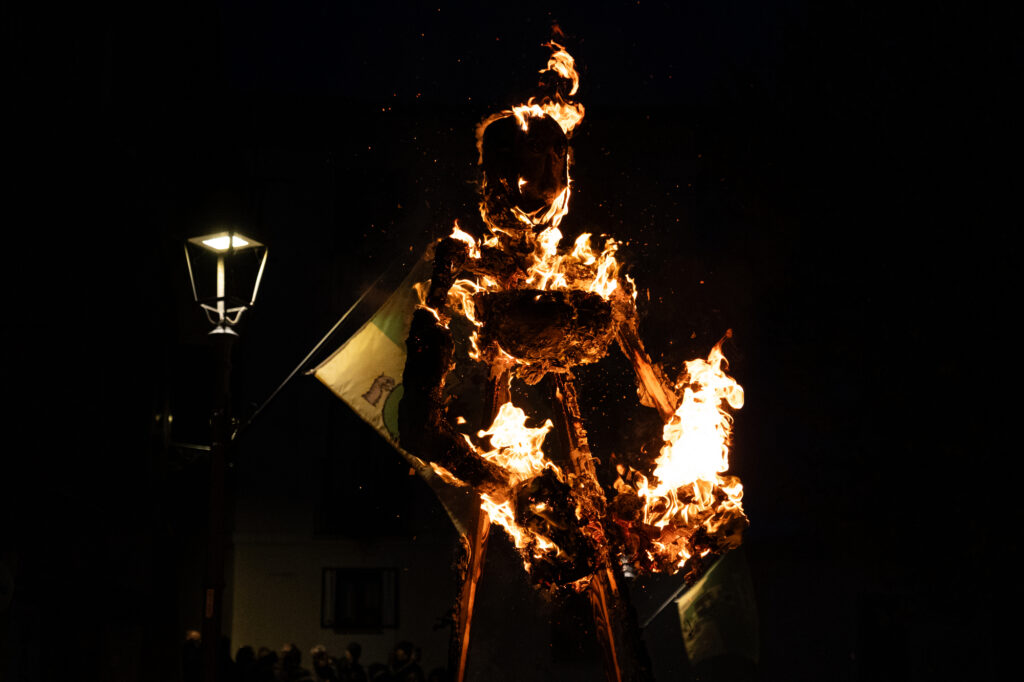
The Signoraccia is much more than a folkloric figure: she is an archaic symbol, linked to harvest rites, fertility deities, and the creative force of the earth. And when she is burned at the end of the festival, the fire illuminates the faces of the gathered community. It is a rite of passage, a collective gesture of gratitude for what has been and a promise for what is to come, sealing once again the deep bond between the village, its land, and its future.
Processions and Religious Festivals — Faith Becoming Community
Processions and Religious Festivals — Faith Becoming Community
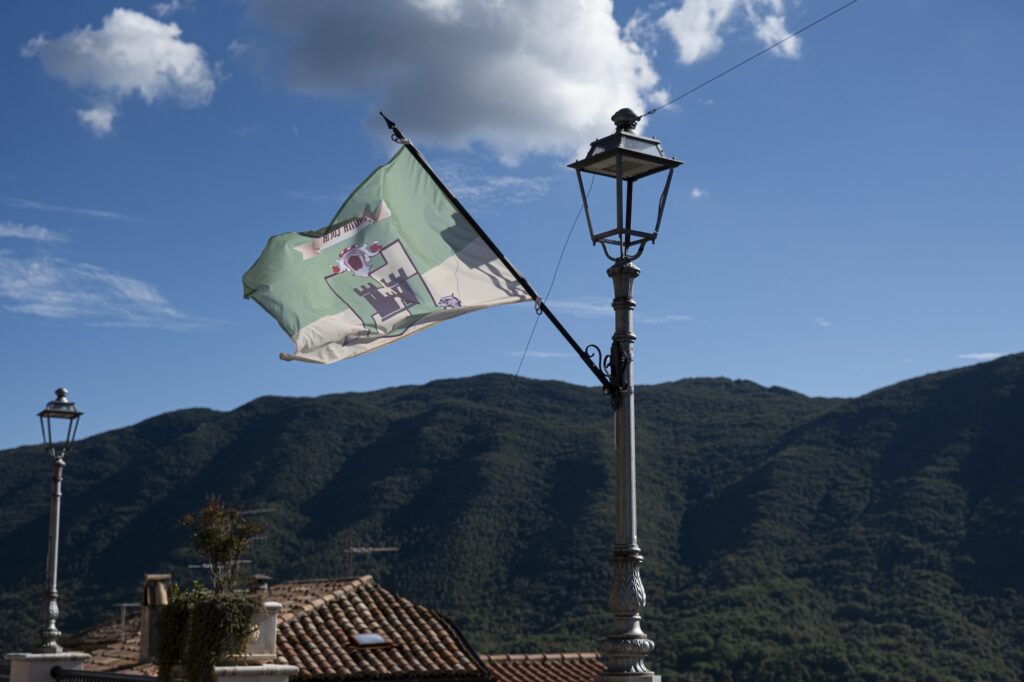
La Magnalonga — August and the joy that walks
La Magnalonga — August and the joy that walks
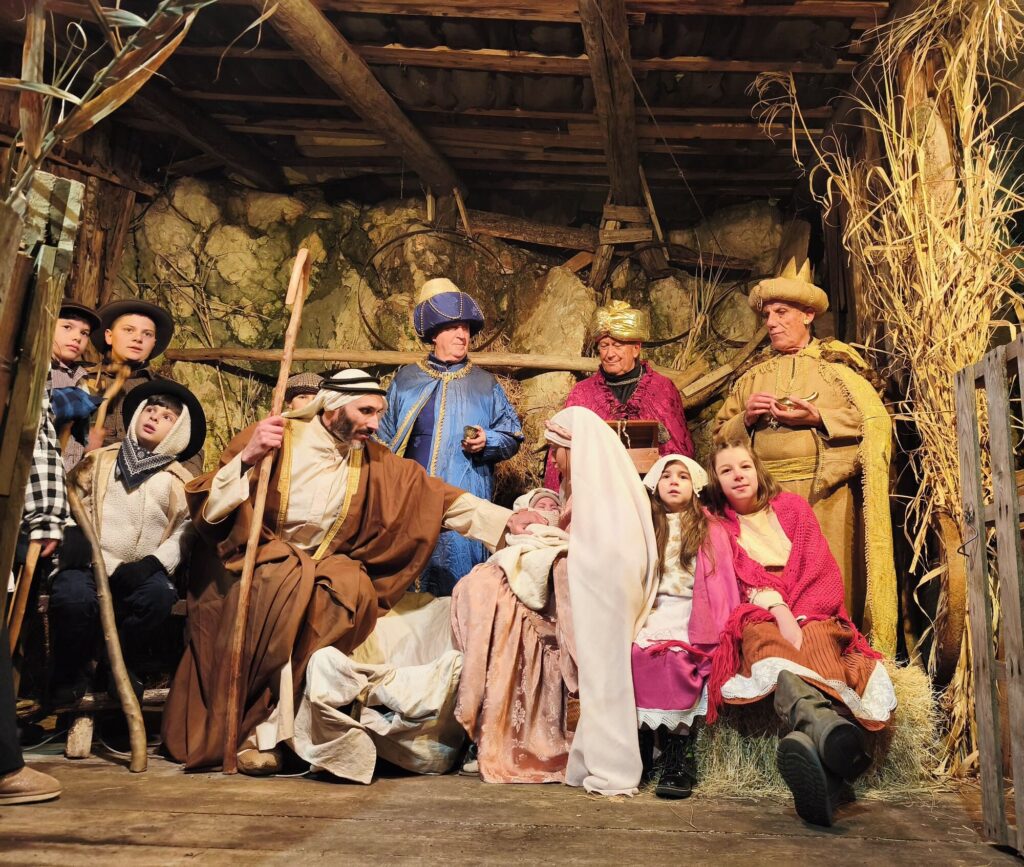
The Living Nativity — December and the magic that comes to life
The Living Nativity — December and the magic that comes to life